Medical
Marketing
Google Ads for Medical Practices: What Actually Works in 2026

More than 70% of patients now search online before choosing a healthcare provider. If your medical practice isn't showing up when people search for doctors in your area, you're losing patients to competitors who are.
Google Ads can put your practice at the top of search results instantly. But here's the truth: most medical practices waste money on Google Ads because they don't understand how healthcare advertising works in 2026. This guide will show you what actually works.
Do Google Ads Work for Medical Practices?
Yes, Google Ads work extremely well for doctors and medical practices. Here's why:
People searching on Google have high intent. When someone types "dermatologist near me" or "pediatrician accepting new patients," they're actively looking for a doctor right now. They're not just browsing like they would on social media.
You get immediate results. Unlike SEO, which takes months to build up, Google Ads can start bringing patients to your practice within days of launching your campaign.
You only pay for results. With the pay-per-click model, you only spend money when someone actually clicks on your ad. No clicks, no charges.
Medical practices typically see a return on investment of around 800% when Google Ads are done correctly. That means for every dollar you spend, you could be getting eight dollars back in revenue.
How much does Google Ads cost for Doctors?
Most medical practices spend between $1,000 and $5,000 per month on Google Ads. The exact amount depends on your specialty and location.
Here's what affects your costs:
Your specialty matters. Elective procedures like plastic surgery or cosmetic treatments have higher costs per click because the patient value is higher. A single cosmetic procedure might bring in thousands of dollars, so advertisers are willing to pay more per click.
Primary care practices typically pay $150-$400 to acquire a new patient through Google Ads. Specialty practices might pay $300-$800, while elective and cosmetic procedures can cost $500-$1,500 or more per patient.
Location affects prices too. If you're in a major city like New York or Los Angeles, you'll pay more per click than practices in smaller towns. More competition means higher prices.
Competition drives up costs. Healthcare keywords have gotten more expensive over the past few years. Average cost per click rates have risen 40-60% over the past three years.
The key is not to focus on the cost per click. What really matters is your cost per patient and how much revenue each patient brings to your practice over time.
HIPAA Compliance: The Big Problem Most Practices Ignore
Here's something critical that many medical practices get wrong: Google Ads is not automatically HIPAA compliant. Google will not sign a Business Associate Agreement (BAA) for Google Ads. This means you're fully responsible for making sure you don't violate HIPAA regulations when running ads.
What You Can't Do
You cannot use retargeting audiences that track sensitive patient health information. You cannot build lookalike audiences using protected health information. You cannot share patient data like medical conditions, treatments, or personal identifiers with Google.
What You Can Do
You can still run effective Google Ads campaigns while staying compliant:
Keep your targeting broad. Instead of targeting people based on specific health conditions, target by location, age range, and general demographics.
Don't collect sensitive information. If you have contact forms on your landing pages, don't ask for medical history or specific health conditions. Keep it simple: name, phone number, email, and appointment request.
Secure your data. Make sure your website uses HTTPS encryption. Have a clear privacy policy posted on your site.
Avoid tracking PHI. Don't put health-related information in your URL parameters, page titles, or anywhere that Google's tracking pixels can see it.
The bottom line: you can run Google Ads successfully without violating HIPAA. You just need to be careful about what data you share and how you track conversions.
Worried about HIPAA compliance in your marketing? Our team specializes in creating compliant Google Ads campaigns for medical practices. Get your free marketing audit and we'll show you exactly how to advertise safely and effectively.
Google’s Strict Healthcare Advertising Policies in 2026
Google has tough rules for medical advertising. About 70% of healthcare ads get rejected or disapproved because of policy violations.
Here are the main policies you need to know:
You Can't Make Absolute Claims: Never say things like "guaranteed results" or "cure" in your ads. Google will reject them immediately. Instead, use professional language like "expert care for chronic back pain" or "experienced treatment for acne."
You Can't Target Based on Health Conditions: Google prohibits targeting or personalizing ads based on medical conditions, diseases, mental health issues, or treatments. You can't create campaigns that specifically target people with diabetes, cancer, or any other health condition.
Your Landing Pages Must Comply Too: Google doesn't just review your ad copy. They look at your entire website. If your landing page makes misleading claims or doesn't meet policy standards, your ads won't run even if the ad text itself is fine.
Some Services Need Certification: If you're advertising prescription drugs, online pharmacies, telemedicine, or addiction treatment services, you may need special certification from Google before your ads can run.
Keep Everything Professional and Evidence-Based: Your ads must be factual and professional. Research shows that 49.5% of health-related ads contain at least one deceptive advertising technique, such as undocumented testimonials or overstated benefits. Don't be part of that statistic.
What Actually Works: Proven Strategies for 2026
Now let's get to the practical stuff. Here's what works for medical practices running Google Ads in 2026:
Focus on Local Targeting
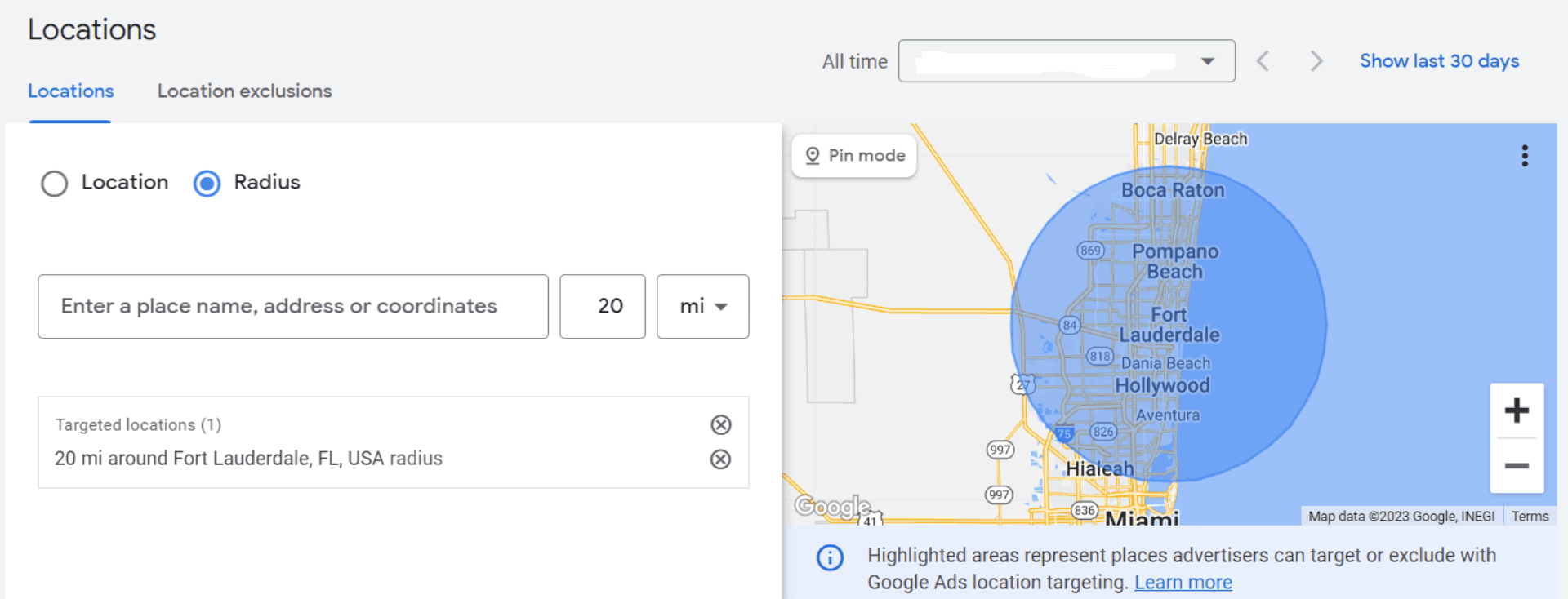
Most patients want a doctor near them. Use location targeting to show your ads only to people within a specific radius of your practice.
Start with a 10-mile radius around your clinic. If you're in a rural area, you might expand to 25 or 50 miles. In a big city, you might narrow it down to 5 miles.
Use location-specific keywords like "pediatrician in Atlanta" or "dermatologist near [neighborhood name]."
Use Long-Tail Keywords
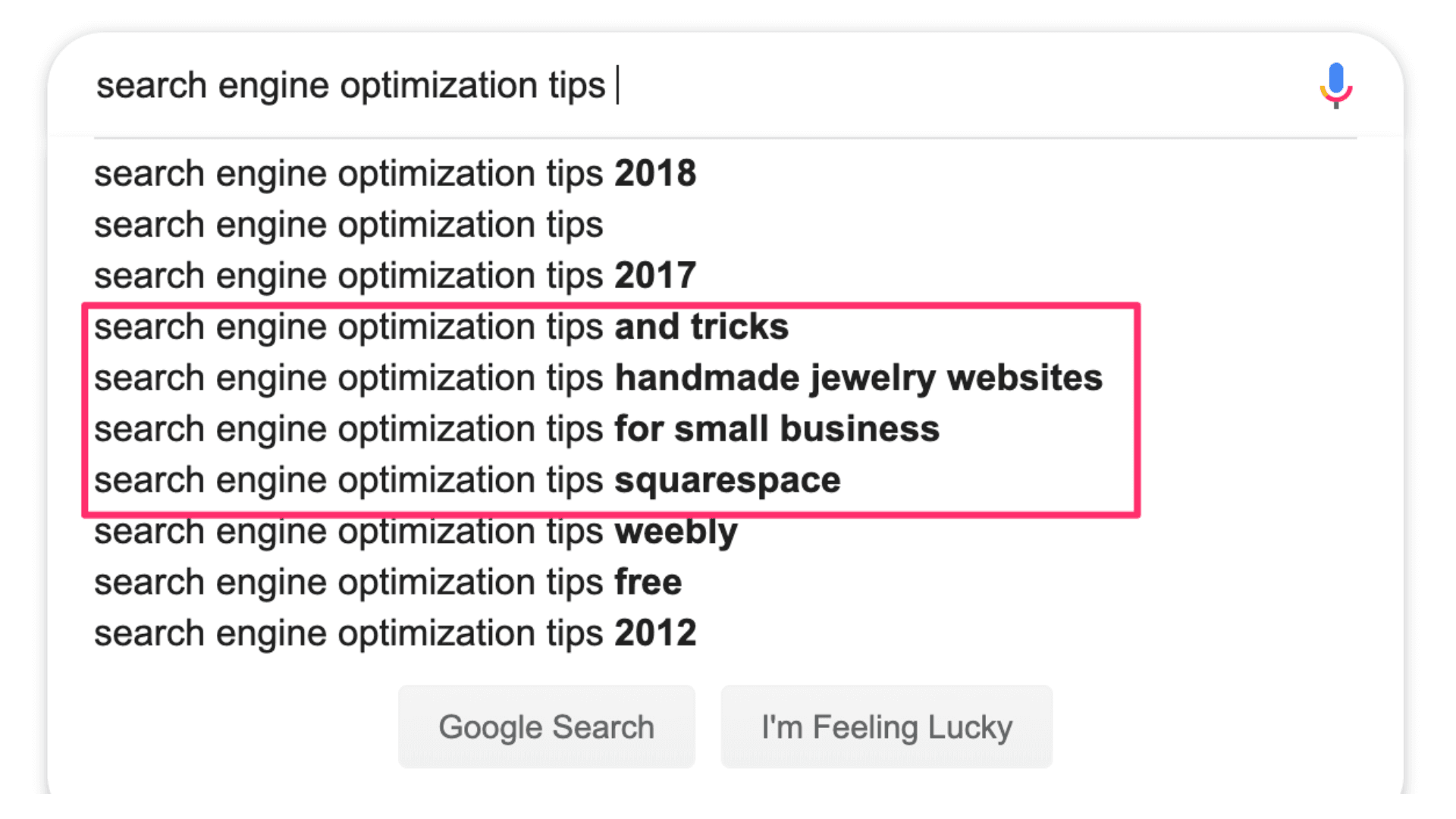
Long-tail keywords are longer, more specific search phrases. They cost less and convert better. Instead of bidding on "dentist" (which is expensive and generic), target phrases like:
"emergency dentist accepting new patients"
"pediatric dentist for anxious children"
"cosmetic dentist specializing in veneers"
These specific searches show high intent. The person searching knows exactly what they want.
Write Patient-Focused Ad Copy

Your ad copy should address patient needs directly. Don't talk about yourself. Talk about what patients get.
Bad example: "ABC Medical Practice - Serving the community since 1995"
Good example: "Same-Day Appointments Available - Board-Certified Pediatrician Accepting New Patients"
Include these elements in your ads:
Your credentials (board certified, years of experience)
What makes you different (same-day appointments, evening hours, specific expertise)
A clear call to action (Book Now, Call Today, Schedule Online)
Your location (so people know you're nearby)
Use Ad Extensions
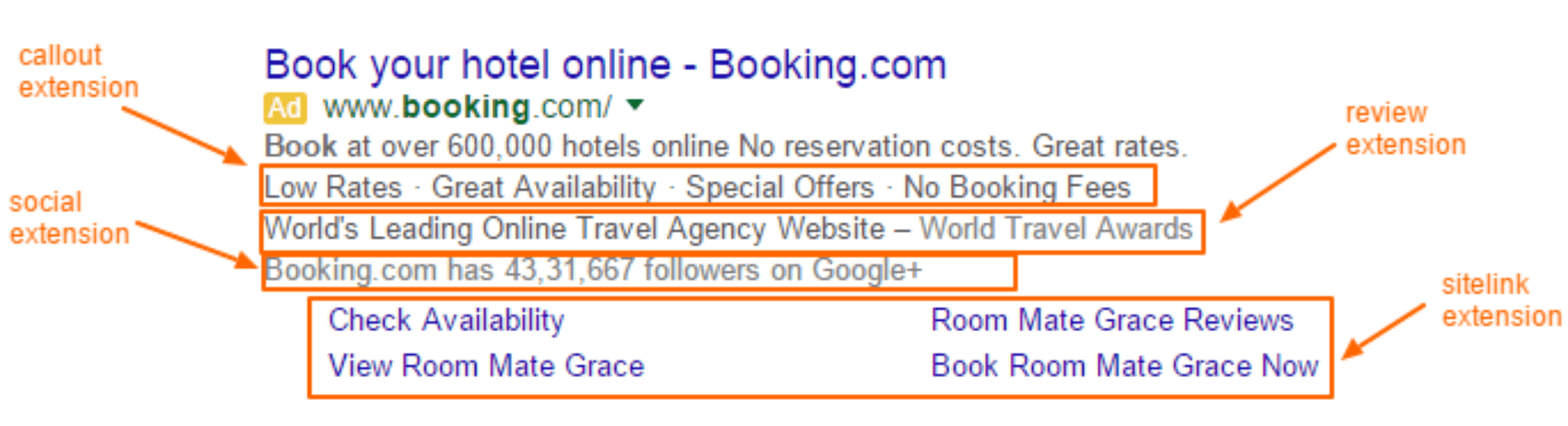
Ad extensions add extra information to your ads at no additional cost. They make your ads bigger and more visible.
Use these extensions:
Call extensions: Add your phone number so people can call directly from the ad
Location extensions: Show your address and a map
Sitelink extensions: Add links to specific pages like "Meet the Doctor" or "Insurance Accepted"
Review extensions: Display your star ratings if you have good reviews
Optimize Your Landing Pages
Your landing page is where people go after clicking your ad. If it's slow or confusing, they'll leave.
53% of users abandon a page if it takes more than 3 seconds to load. Make sure your site loads fast on mobile devices. More than 70% of healthcare searches happen on phones.
Your landing page should have:
A clear headline that matches your ad
A simple form (just name, phone, email)
Patient testimonials or reviews
Your credentials and certifications
A prominent phone number
Fast loading time
Mobile-friendly design
Track the Right Metrics

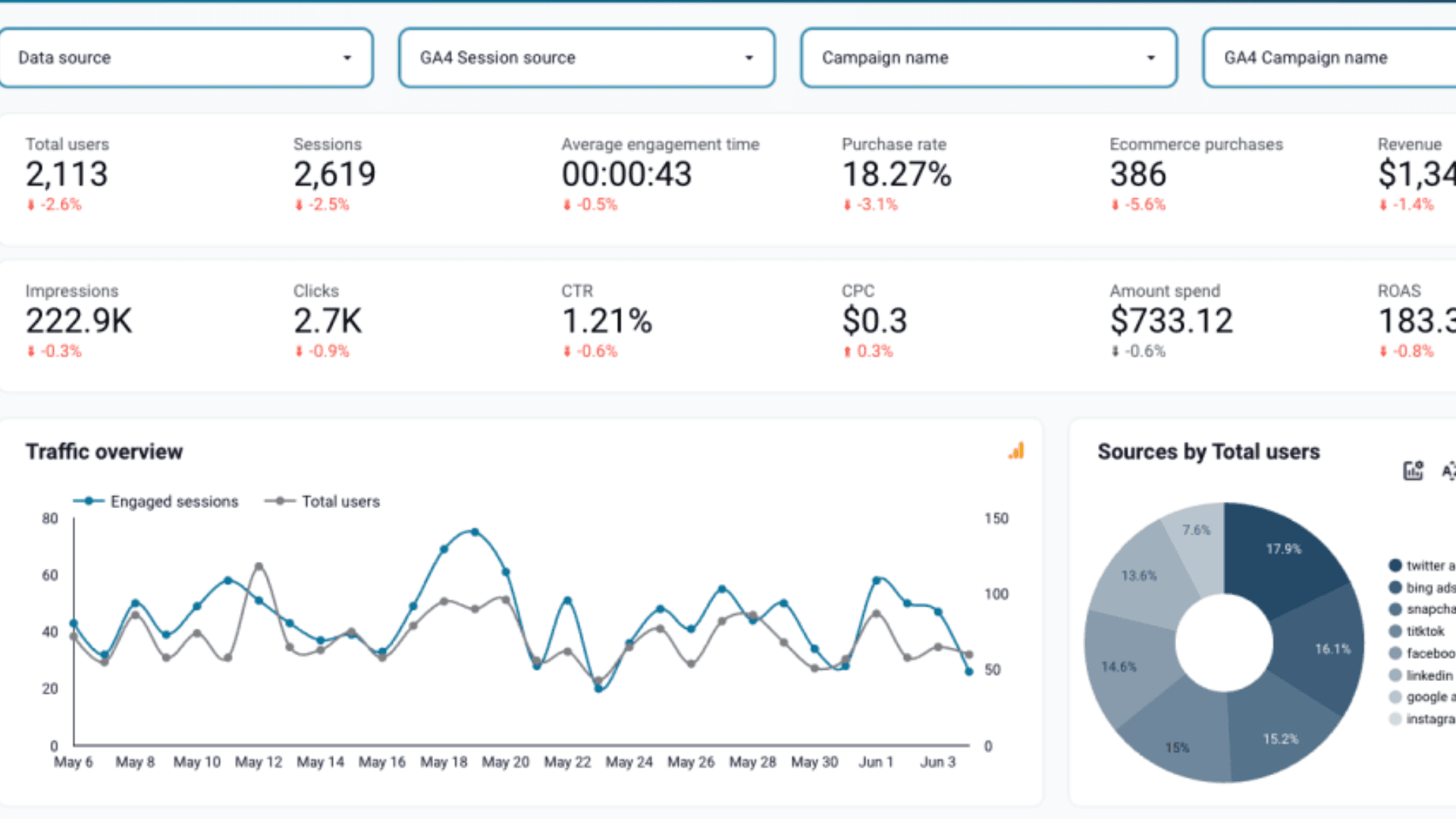
Don't just look at clicks. Track what matters for your practice:
Cost per acquisition (CPA): How much you pay to get one new patient. This is your most important number.
Conversion rate: The percentage of people who click your ad and then book an appointment or call your office.
Return on investment (ROI): Compare your ad spend to the revenue from new patients. Medical practices typically see lead-to-patient conversion rates between 5% and 10%, though positive ROI is possible even at lower rates of 1-3%.
Quality Score: Google rates how relevant your ads are. Higher scores mean lower costs per click.
Start Small and Scale Up
Don't blow your entire budget in the first month. Start with $1,000-$1,500 and test what works.
Run campaigns for at least 60-90 days before making big changes. It takes time to gather enough data to know what's working.
Once you find winning campaigns, gradually increase your budget by 20-30% per month.
Use Negative Keywords
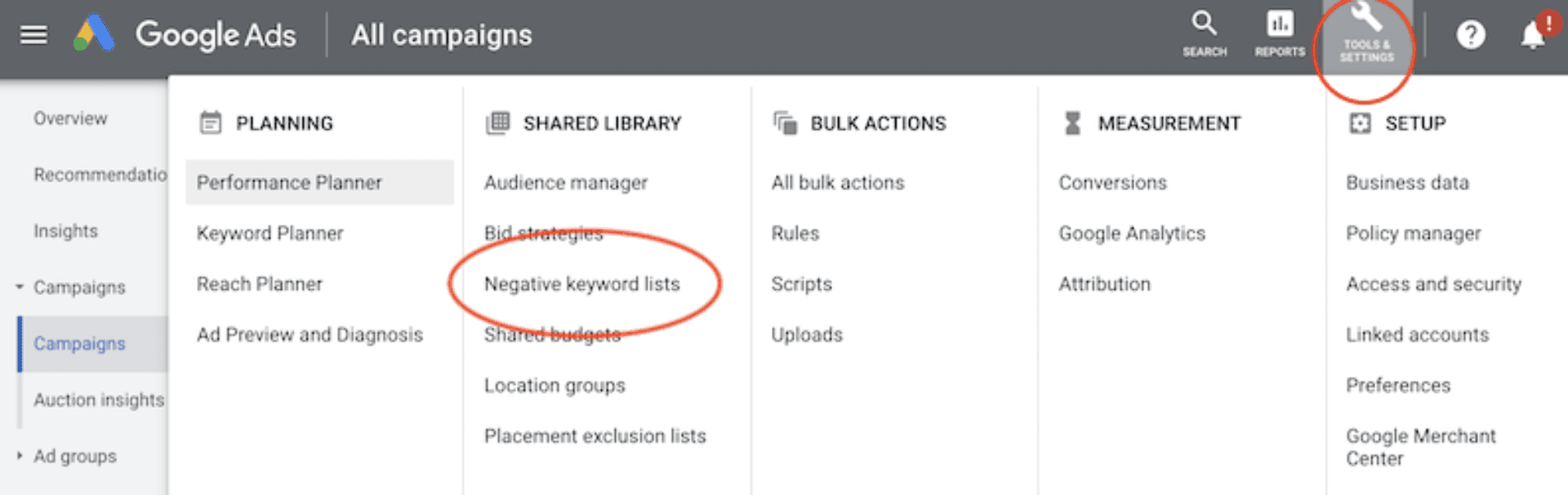
Negative keywords prevent your ads from showing for irrelevant searches. This saves you money.
For example, if you're a private practice that doesn't accept insurance, add "free" and "cheap" as negative keywords. If you don't offer emergency services, add "emergency room" and "urgent care" as negative keywords.
The ROI of Google Ads for Healthcare
Let's talk numbers. Is Google Ads actually worth it for your practice?
If you're using Google Ads correctly and get 100 patient inquiries, you should be able to convert about 31 of them into actual paying patients.
Here's a real example:
Let's say you're a dermatologist and spend $3,000 per month on Google Ads. Your average cost per click is $8. That gives you about 375 clicks per month.
If 10% of those clicks convert to appointment requests, that's 37 new patient leads.
If you convert 30% of those leads into actual patients, that's 11 new patients per month.
If each patient spends an average of $500 in their first year, that's $5,500 in revenue.
That's an 83% return on investment in just the first month. And remember, most patients come back multiple times over the years.
Primary care practices often see positive ROI within 6-12 months through preventive care and ongoing services. Specialty practices focus on lifetime value rather than immediate procedure revenue.
Want to maximize your Google Ads ROI? Most practices waste 30-40% of their ad budget on poor targeting and non-compliant campaigns. Schedule your free marketing audit to discover exactly where your marketing dollars should go.
Common Mistakes Medical Practices Make
Here are the biggest mistakes I see practices make with Google Ads:
Mistake #1: Not tracking phone calls. Many patients call instead of filling out forms. If you're not tracking phone calls, you're missing half your conversions.
Mistake #2: Giving up too soon. Google Ads takes 60-90 days to optimize. Don't judge your campaign after two weeks.
Mistake #3: Using generic ads. "Quality healthcare since 1995" doesn't tell patients anything useful. Be specific about what you offer.
Mistake #4: Ignoring mobile users. Over 70% of healthcare searches come from mobile devices. If your site isn't mobile-friendly, you're losing most of your traffic.
Mistake #5: Violating HIPAA. Don't collect sensitive health information in your ads or landing pages. Keep it simple and secure.
Mistake #6: Not reviewing Google's policies. Healthcare policies change. Check Google's advertising policies every few months to stay updated.
Mistake #7: Setting and forgetting. Successful campaigns need constant monitoring and adjustment. Review your campaigns weekly.
Should You Hire an Agency or Do It Yourself?
This depends on your time and expertise.
Do it yourself if:
You have 5-10 hours per week to dedicate to learning and managing campaigns
You're comfortable with data and analytics
Your budget is under $2,000 per month
You want complete control over your campaigns
Hire an agency if:
You're too busy managing your practice
You want faster results with less trial and error
Your budget is over $3,000 per month
You need help staying compliant with healthcare policies
70% of healthcare companies outsource their marketing because they recognize the value of expert support.
If you do hire an agency, make sure they have experience with medical practices specifically. Healthcare advertising is very different from other industries because of HIPAA and Google's strict policies.
Not sure if you need an agency or can handle it yourself? Get a clear answer with our free marketing audit. We'll review your current situation and give you an honest recommendation based on your practice's specific needs.Get your free audit now
The Bottom Line: What Works in 2026
Google Ads can be one of the most effective patient acquisition tools for medical practices. But success requires:
Understanding HIPAA compliance and keeping patient data secure
Following Google's strict healthcare advertising policies
Using local targeting to reach nearby patients
Writing patient-focused ad copy that addresses real needs
Optimizing for mobile devices
Tracking the right metrics (cost per patient, not just clicks)
Starting with a reasonable budget and scaling what works
Being patient and giving campaigns time to optimize
The medical practices that succeed with Google Ads in 2026 are the ones that treat it as a long-term investment, not a quick fix. They understand the rules, they focus on patient experience, and they continuously optimize based on real data.
If you follow the strategies in this guide, you'll be well ahead of most practices trying to use Google Ads. You'll attract more patients, spend your marketing budget wisely, and grow your practice sustainably.
The question isn't whether Google Ads work for medical practices. The question is whether you're willing to do it right.
Ready to Grow Your Practice with Google Ads?
Don't waste money figuring this out on your own. Get expert help from a team that specializes in healthcare marketing.
Here's what you get with your free marketing audit:
Complete analysis of your current online presence
Identification of where you're losing potential patients
Custom Google Ads strategy for your specific practice
HIPAA compliance checklist for all your marketing
Competitive analysis of other practices in your area
Clear action plan with budget recommendations
Start with a FREE Marketing Audit here and get a clear picture of where you’re losing potential patients. Or if you’d rather explore first, you can also visit our medical page to learn how we help practices grow with compliant, high-performing Google Ads.

Who we are!

Sign up to our Newsletters
Looking for something?
Search here…
Recent Blogs




Adode Media is a performance marketing partner for Atlanta medical practices, contractors, and nonprofits. We turn your reputation into revenue. No more relying on word of mouth alone. Just consistent, scalable growth built on the trust you've already earned.
Who We Serve
What We Do
Get the latest information
All rights reserved.